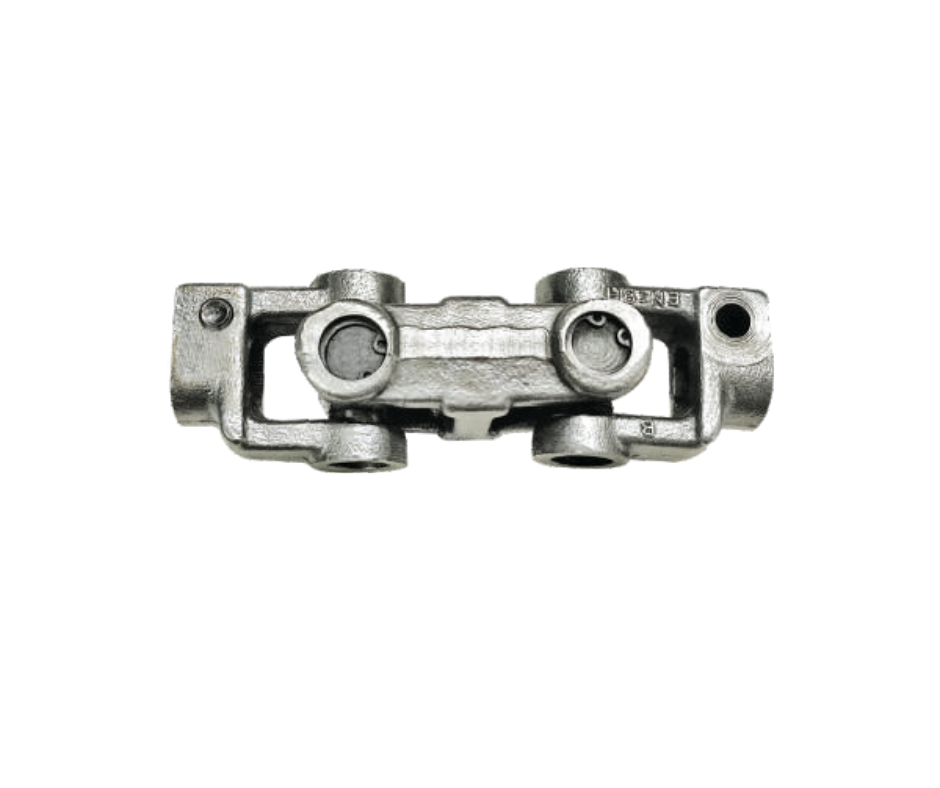
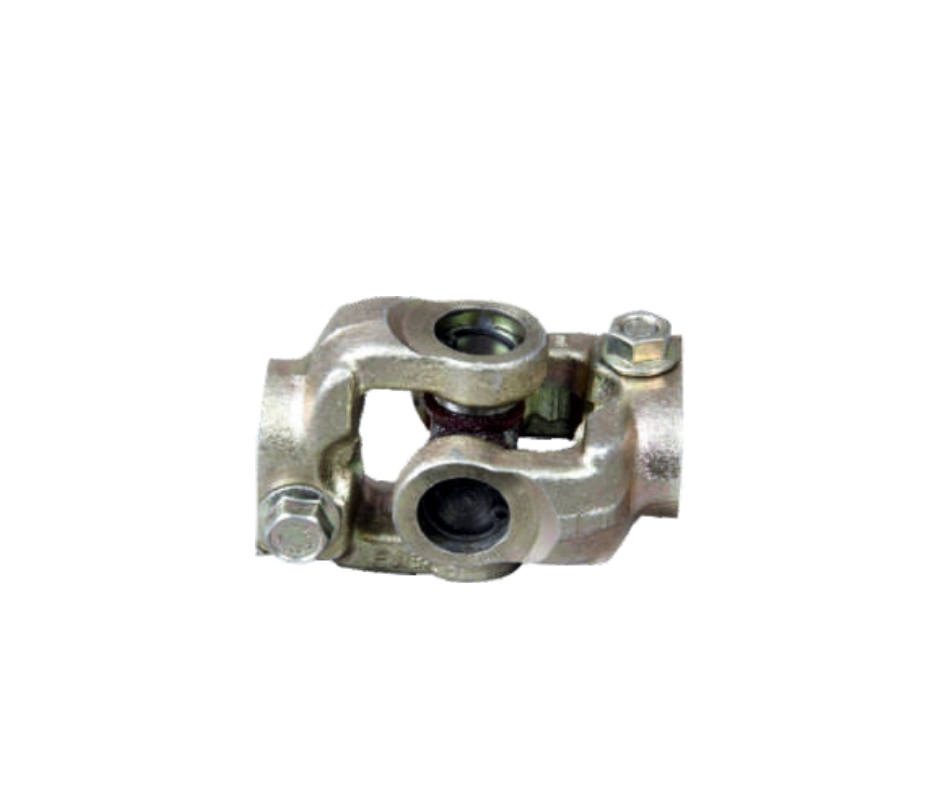
🚛 Leyland Thin Spline — What It Means
In Leyland trucks, the term “Thin Spline” refers to splined shafts or yokes with narrower teeth on the splined section, as opposed to “thick spline” which has broader teeth.
Splines are used in propeller shafts, steering shafts, differential inputs, and couplings to transmit torque while allowing axial movement in slip-yoke designs. (scribd.com)
🔹 Key Characteristics of Thin Splines
| Feature | Thin Spline | Thick Spline |
|---|---|---|
| Tooth Width | Narrower | Broader |
| Torque Capacity | Lower | Higher |
| Common Use | Lighter driveline sections, older or smaller Leyland models | Heavier duty driveline sections, high torque vehicles |
| Examples | Steering shaft U-joint, intermediate propeller shaft | Rear differential input yokes, main propeller shaft |
📍 Where Thin Splines Are Used
Intermediate shafts in the propeller shaft assembly (between gearbox and rear differential)
Steering shaft cross/yoke joints where torque demands are lower
Smaller Leyland trucks or light duty versions (e.g., 1312, 1613)
Components where less torque needs to be transmitted, unlike thick spline yokes used in 2516, 4018, or 3516 models. (scribd.com)
🛠 Why It Matters
Correct Fitment:
A thin spline part cannot be used where a thick spline is specified; teeth won’t engage fully and may slip or wear prematurely.
Load Matching:
Thin spline parts are lighter and sufficient for low-torque sections, reducing cost and weight.
Thick splines are reserved for heavy torque transmission, e.g., rear differential yokes.
Parts Identification:
Leyland spare parts catalogs differentiate by spline type (thin vs thick) so workshops can order the exact replacement for a specific truck model.